
Type 2 diabetes symptoms often develop so slowly that many people live with high blood sugar for years before they find out. The CDC estimates that about 11 million U.S. adults have diabetes and don’t know it. The good news: a simple blood test can catch it early, and today’s treatments can protect your eyes, kidneys, nerves, and—most importantly—your heart.
This guide covers the causes, early warning signs, diagnosis, and treatment options in the 2026 American Diabetes Association (ADA) Standards of Care—with practical steps whether you were just diagnosed or have lived with type 2 for years.
→ Jump to Frequently Asked Questions
Type 2 Diabetes at a Glance
- What it is: Your body doesn’t use insulin well, and over time your pancreas can’t make enough to keep up.
- Symptoms: Thirst, frequent urination, tiredness, blurry vision—but many people have none at first.
- Diagnosis: An A1c of 6.5% or higher, or a fasting blood sugar of 126 mg/dL (7.0 mmol/L) or higher, usually confirmed with a second test.
- Testing: All adults starting at age 35, and earlier if you have overweight plus another risk factor.
- Treatment: Healthy habits plus medicines, often heart- and kidney-protecting GLP-1 or SGLT2 drugs.
- Good news: Losing 5–7% of your body weight can lower your risk or improve your blood sugar.
What is type 2 diabetes?
Type 2 diabetes is a long-term condition where your body has trouble using insulin effectively (insulin resistance) and your pancreas gradually can’t make enough insulin to keep your blood sugar in a healthy range.
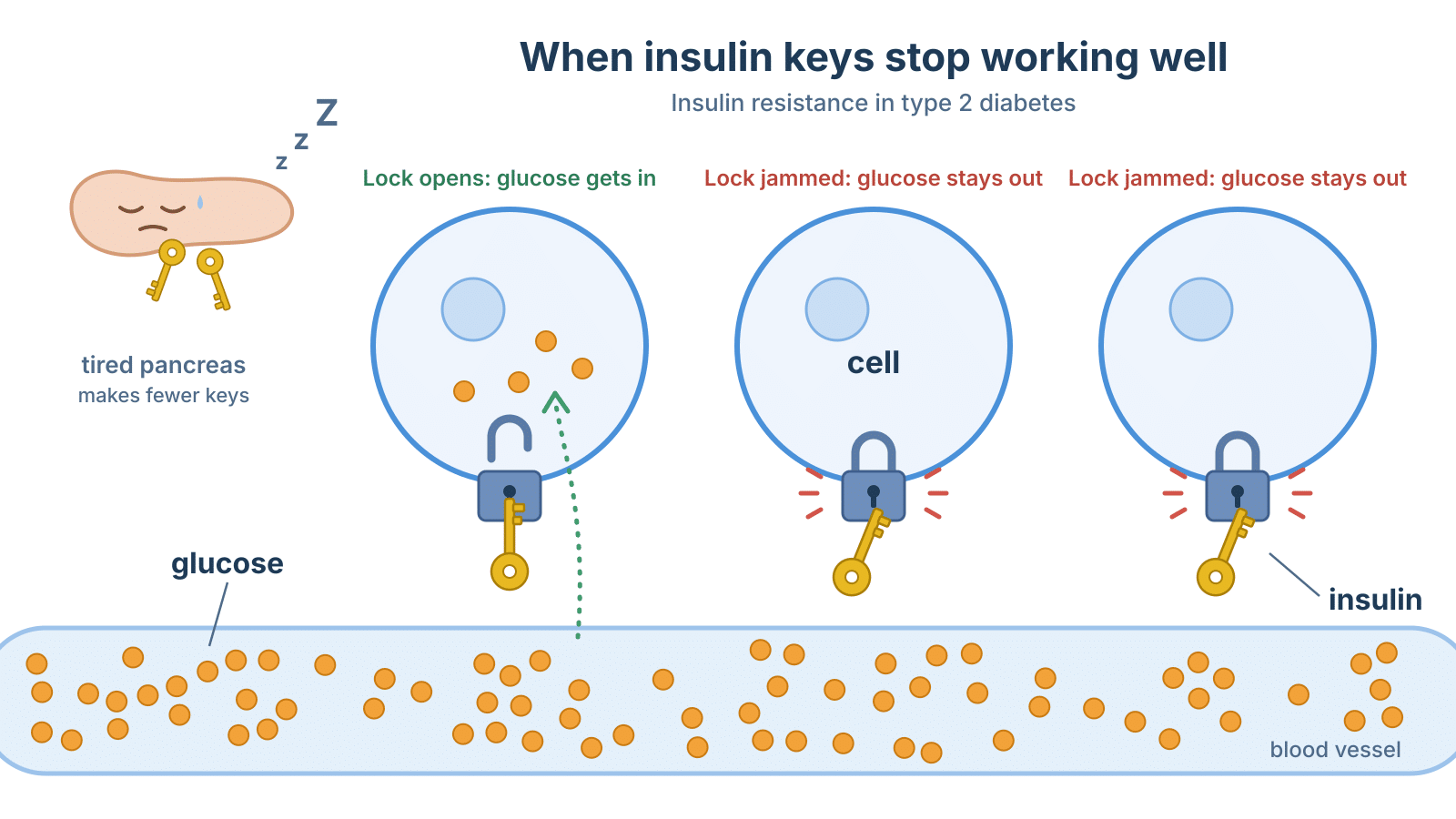
Insulin works like a key that unlocks your cells so sugar (glucose) can move out of your blood and be used for energy. With type 2 diabetes, the locks don’t respond well, and your pancreas can’t make enough extra insulin to make up the difference.
Type 2 accounts for about 90–95% of all diabetes. According to the CDC’s National Diabetes Statistics Report, an estimated 40.1 million people in the U.S. had diabetes of any type in 2023. Roughly 11 million adults with diabetes (27.6%) didn’t know they had it, and another 115.2 million adults had prediabetes.
Unlike type 1 diabetes, an autoimmune condition where the body destroys its own insulin-producing cells, type 2 usually begins with insulin resistance and develops gradually. It is most common in adults but is increasingly diagnosed in teens and young adults. Some adults first labeled “type 2” actually have a slow-onset autoimmune form called type 1.5 diabetes (LADA). If you’re unsure, see What Type Do I Have?.
What causes type 2 diabetes?
Most type 2 diabetes causes come down to two processes happening together:
- Insulin resistance: Insulin doesn’t work well in your muscle, liver, and fat cells.
- Reduced insulin production: The insulin-producing cells in your pancreas (beta cells) lose function over time, so they can’t release enough insulin to overcome the resistance.
Together, these raise your blood sugar. Here’s what’s happening inside:
- Muscle doesn’t pull glucose out of the blood as easily.
- The liver keeps releasing glucose when it should slow down—one reason morning blood sugar is often high.
- Fat tissue becomes more insulin-resistant and can release fatty acids that make insulin resistance worse.
What is metabolic syndrome—and why does it matter?
Metabolic syndrome is a warning sign that your body is becoming more insulin-resistant. It’s a cluster of risk factors that raises the risk of both type 2 diabetes and heart disease. It is usually defined as having three or more of these:
- Larger waist circumference (cutoffs vary by guideline and ethnicity)
- Triglycerides of 150 mg/dL (1.7 mmol/L) or higher
- Low HDL (“good” cholesterol): below 40 mg/dL (1.0 mmol/L) in men or below 50 mg/dL (1.3 mmol/L) in women
- Blood pressure of 130/85 or higher, or taking blood pressure medicine
- Fasting blood sugar of 100 mg/dL (5.6 mmol/L) or higher, or taking medicine for elevated glucose
For context, a waist above the cutoff, triglycerides of 180 mg/dL (2.0 mmol/L), and a fasting blood sugar of 104 mg/dL (5.8 mmol/L) meet three criteria—a signal to get tested and start lifestyle changes now.
What are the early signs and symptoms of type 2 diabetes?
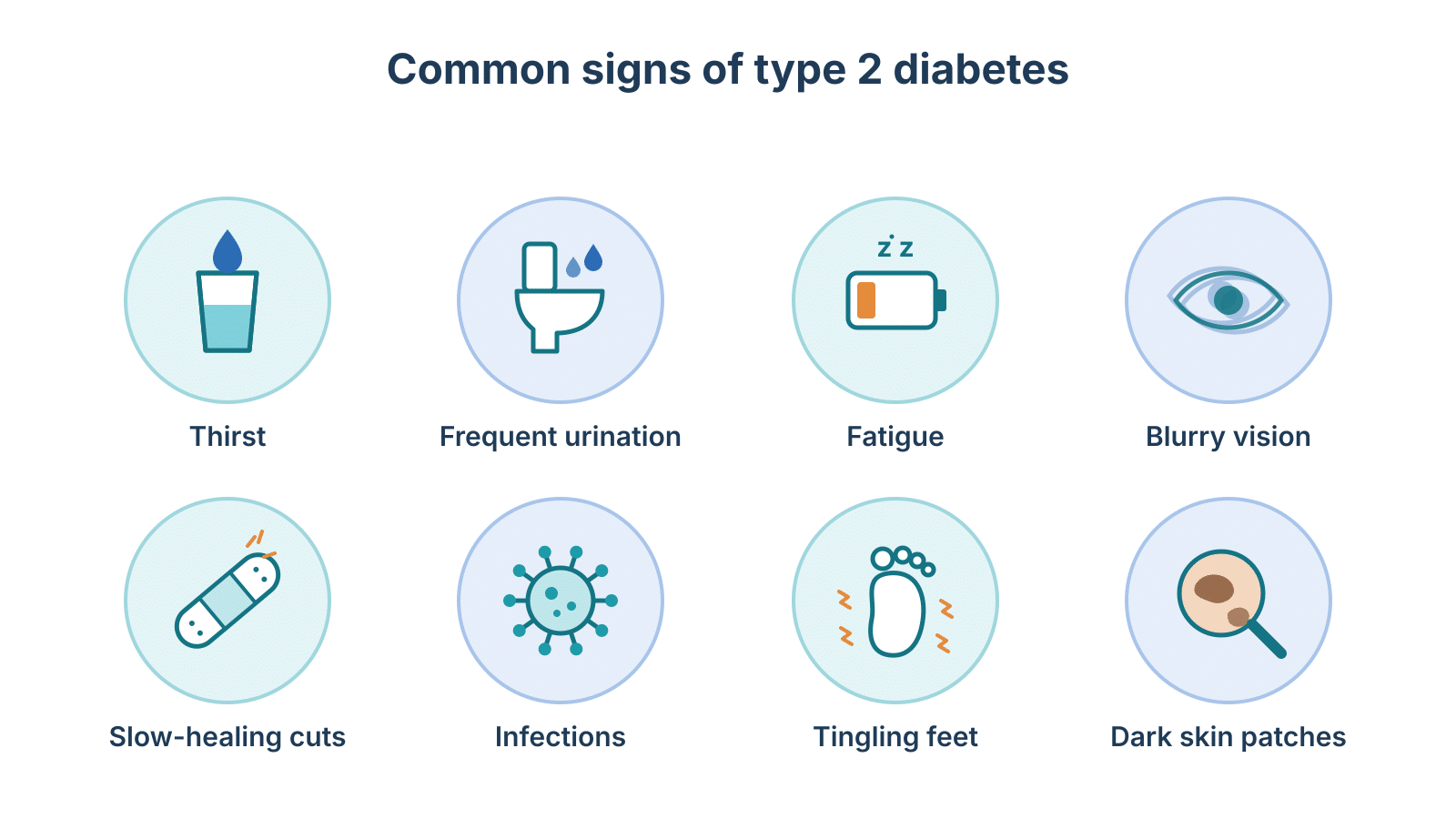
Many people have no symptoms early on. When symptoms appear, they come on gradually and are easy to miss. The most common are:
- Urinating more often, including at night
- Feeling very thirsty or very hungry
- Feeling unusually tired
- Blurry vision
- Slow-healing cuts or frequent infections (yeast, gum, or urinary)
- Numbness, tingling, burning, or pain in your hands or feet
- Dark, velvety skin patches on the neck or in the armpits (acanthosis nigricans)—a visible sign of insulin resistance. See skin complications of diabetes.
- Unexplained weight loss (less common in type 2, but possible when blood sugar is very high)
Why symptoms often show up late
Type 2 diabetes can “creep up.” The kidneys usually don’t spill sugar into the urine—causing thirst and frequent urination—until blood sugar runs above roughly 180 mg/dL (10.0 mmol/L), though this varies by person (SGLT2 medicines lower it on purpose). Meanwhile, damage can build quietly in blood vessels and nerves. That’s why screening matters.
Who is most at risk for type 2 diabetes?
Your risk is higher if you:
- Carry extra weight—a body mass index (BMI) of 25 or higher, or 23 or higher if you are Asian American—especially around the waist (“apple shape”)
- Are age 35 or older
- Have a parent, brother, sister, or child with diabetes
- Had gestational diabetes (diabetes during pregnancy)
- Are physically inactive
- Have prediabetes (blood sugar higher than normal but not yet in the diabetes range)
- Have high blood pressure (130/80 or higher), low HDL cholesterol, or high triglycerides
- Have polycystic ovary syndrome (PCOS) or a history of heart disease or stroke
- Sleep poorly, have untreated sleep apnea, or smoke
- Are African American, Hispanic/Latino, American Indian or Alaska Native, Asian American, or Pacific Islander—groups with higher rates of type 2 diabetes in the U.S.
Other reasons to get tested: The ADA also recommends testing if you have HIV, have had pancreatitis, or take medicines that raise blood sugar, such as steroids or some antipsychotics. These work differently—diabetes after pancreatitis, for example, is a separate type caused by pancreas damage—so your doctor will consider the cause when choosing treatment.
None of this means diabetes is your fault. Type 2 diabetes has strong genetic roots, and many risk factors are ones you can change.
How is type 2 diabetes diagnosed?
Diabetes is diagnosed with simple blood tests. These tests show whether you have diabetes—they don’t tell you which type. Your doctor uses your age, symptoms, and sometimes antibody or C-peptide tests to decide whether it’s type 2, type 1, or another form.
| Test | Normal | Prediabetes | Diabetes |
|---|---|---|---|
| A1c (average blood sugar test) | Below 5.7% | 5.7–6.4% | 6.5% or higher |
| Fasting blood sugar | Below 100 mg/dL (5.6 mmol/L) | 100–125 mg/dL (5.6–6.9 mmol/L) | 126 mg/dL (7.0 mmol/L) or higher |
| 2-hour glucose tolerance test | Below 140 mg/dL (7.8 mmol/L) | 140–199 mg/dL (7.8–11.0 mmol/L) | 200 mg/dL (11.1 mmol/L) or higher |
| Random blood sugar + symptoms | — | — | 200 mg/dL (11.1 mmol/L) or higher |
Source: ADA Standards of Care in Diabetes—2026, Section 2.
An abnormal result is usually confirmed with a second test—either the same test repeated or a different one. The exception: if you have classic high-blood-sugar symptoms or a hyperglycemic crisis and a random blood sugar of 200 mg/dL (11.1 mmol/L) or higher, a single test is enough.
The A1c test reflects your average blood sugar over the past 2–3 months and doesn’t require fasting. It can be less accurate with anemia, some inherited hemoglobin differences, pregnancy, or advanced kidney disease, so your doctor may use a glucose test instead.
For context, if your fasting blood sugar comes back at 132 mg/dL (7.3 mmol/L) and a follow-up A1c is 6.8%, both results are in the diabetes range, which confirms the diagnosis.
How do people usually find out they have type 2 diabetes?
Many people learn during routine lab tests, such as a diabetes screening or a cholesterol check.
The U.S. Preventive Services Task Force (USPSTF) recommends screening for prediabetes and type 2 diabetes in adults age 35 to 70 who have overweight or obesity, and offering effective prevention programs when prediabetes is found.
The ADA goes a step further. Its 2026 Standards recommend testing all adults starting at age 35, and testing at any age if you have overweight or obesity plus at least one other risk factor. If your results are normal, repeat testing at least every 3 years. With prediabetes, get tested every year. After gestational diabetes, get tested at least every 3 years for life.
What tests should you ask about if you’re at risk or newly diagnosed?
Don’t just confirm diabetes—check for the problems that can quietly develop alongside it. Below is a patient-friendly diabetes care checklist explaining why each test matters.
- Blood pressure – Check at every visit. High blood pressure plus diabetes raises heart, stroke, and kidney risk. Most adults aim for below 130/80.
- Lipid panel (cholesterol + triglycerides) – Type 2 diabetes often comes with low HDL and high triglycerides, which raise heart risk.
- A1c (hemoglobin A1c) – Check at least twice a year if you’re at your goal, and every 3 months if you’re not or your treatment has changed. Many adults aim for below 7%.
- Kidney screening: urine albumin (microalbumin) + blood kidney function – At least yearly, get a urine albumin-to-creatinine ratio (UACR), which detects early kidney damage, and an eGFR blood test, which measures kidney filtering.
- Dilated eye exam (retina check) – Get your first exam at diagnosis. Diabetic retinopathy may not affect vision early, but early detection protects it.
- Foot exam (nerves + circulation) – Get a comprehensive foot exam at least yearly. Tingling or numbness can signal nerve damage (neuropathy), which makes injuries easier to miss.
- Heart risk review – Cardiovascular disease is the leading health risk in type 2 diabetes, so review smoking, family history, sleep apnea symptoms, and activity level along with the numbers above.
- Liver check – Fatty liver disease (MASLD) is common with type 2 diabetes. The ADA recommends a FIB-4 score, calculated from routine blood tests, to check for liver scarring.
- Emotional health check – Diabetes distress, anxiety, and depression are common and treatable. Ask your care team if you’re feeling overwhelmed.
How is type 2 diabetes treated in 2026?
Treatment today aims beyond blood sugar: protecting your heart, kidneys, and liver and helping you reach a healthier weight.
Start with everyday habits
- Diabetes education: Diabetes self-management education and support (DSMES) teaches you to manage food, activity, blood sugar checks, and medicine. Ask for a referral at diagnosis—Medicare and most plans cover it.
- Eating pattern: No single “diabetes diet” fits everyone. The ADA supports several, including Mediterranean-style and lower-carbohydrate eating. Counting carbs shows how meals affect your blood sugar.
- Activity: Aim for 150 minutes a week of moderate activity, like brisk walking, plus strength training 2–3 times a week. A short walk after meals lowers after-meal blood sugar. See Exercise & Diabetes.
- Weight: Losing 5% or more of your body weight improves blood sugar, blood pressure, and cholesterol. See Weight Control.
- Sleep and smoking: Aim for 7 or more hours of sleep, get checked for sleep apnea if you snore, and quit smoking.
Which medications treat type 2 diabetes?
Many people start with one medicine and add others as type 2 diabetes changes over the years. A new ADA/EASD consensus report (October 2026) recommends that most adults consider a GLP-1 medicine and/or an SGLT2 inhibitor early, sometimes at diagnosis, for their heart and kidney benefits. Your best choice also depends on cost, coverage, side effects, and other health conditions.
Medicines often used first or for heart and kidney protection:
| Medicine type | How it helps | Examples | Things to know |
|---|---|---|---|
| Metformin | Lowers sugar released by the liver | Glucophage, generics | Low cost; stomach upset; rarely causes lows |
| GLP-1 and GIP/GLP-1 drugs | Boost insulin after meals; reduce appetite | Ozempic (shot or pill), Trulicity, Mounjaro | Weight loss; some lower heart risk; nausea |
| SGLT2 inhibitors | Remove extra sugar in urine | Jardiance, Farxiga | Protect heart and kidneys; genital yeast infections |
Other medicine options:
| Medicine type | How it helps | Examples | Things to know |
|---|---|---|---|
| DPP-4 inhibitors | Boost your own GLP-1 | Januvia, Tradjenta | Daily pill; weight neutral; modest effect |
| Sulfonylureas | Push pancreas to release insulin | Glipizide, glimepiride | Low cost; can cause lows and weight gain |
| Pioglitazone | Improves insulin sensitivity | Actos | Helps fatty liver; fluid retention, weight gain |
| Insulin | Replaces missing insulin | Lantus, Tresiba, Awiqli, Onswik | Most powerful; risk of lows |
A few details the tables don’t show:
- Metformin has a decades-long safety record. The extended-release form taken with food reduces stomach upset.
- GLP-1 medicines: Several lower the risk of heart attack and stroke. Injectable and pill forms can have different FDA-approved benefits (see below).
- SGLT2 inhibitors are a foundation of treatment for heart failure and kidney disease. Because they can rarely cause ketoacidosis, you may need to pause them before surgery or during serious illness.
- Other options include DPP-4 inhibitors, sulfonylureas, and pioglitazone (Actos). Many people eventually need insulin—that isn’t a failure. See Insulin Basics.
What new treatments were approved in 2025–2026?
- Once-weekly long-acting insulins: Insulin icodec (Awiqli), approved in March 2026, has been in U.S. pharmacies since August 2026. A second, insulin efsitora alfa (Onswik), was approved in September 2026 and lowered A1c about as well as daily long-acting insulin in four trials; it is expected in pharmacies in the coming months. Both are for adults with type 2 only and replace your daily long-acting (basal) insulin—if you also take mealtime insulin, you may still need those injections.
- Ozempic pill: In May 2026, the daily semaglutide tablet became available in the U.S. as the Ozempic pill, replacing Rybelsus. It is approved for blood sugar control and to lower heart attack and stroke risk in people at high cardiovascular risk.
- Kidney protection: In January 2025, injectable semaglutide (Ozempic) was approved to reduce the risk of kidney failure, worsening kidney disease, and cardiovascular death in adults with type 2 diabetes and chronic kidney disease.
- Orforglipron (Foundayo): Approved April 1, 2026, this daily GLP-1 pill can be taken any time, with or without food. Its U.S. approval is for weight management in adults with obesity, or overweight with weight-related problems such as type 2 diabetes. It is not FDA-approved specifically to treat type 2 diabetes as of October 2026.
How can a CGM help with type 2 diabetes?
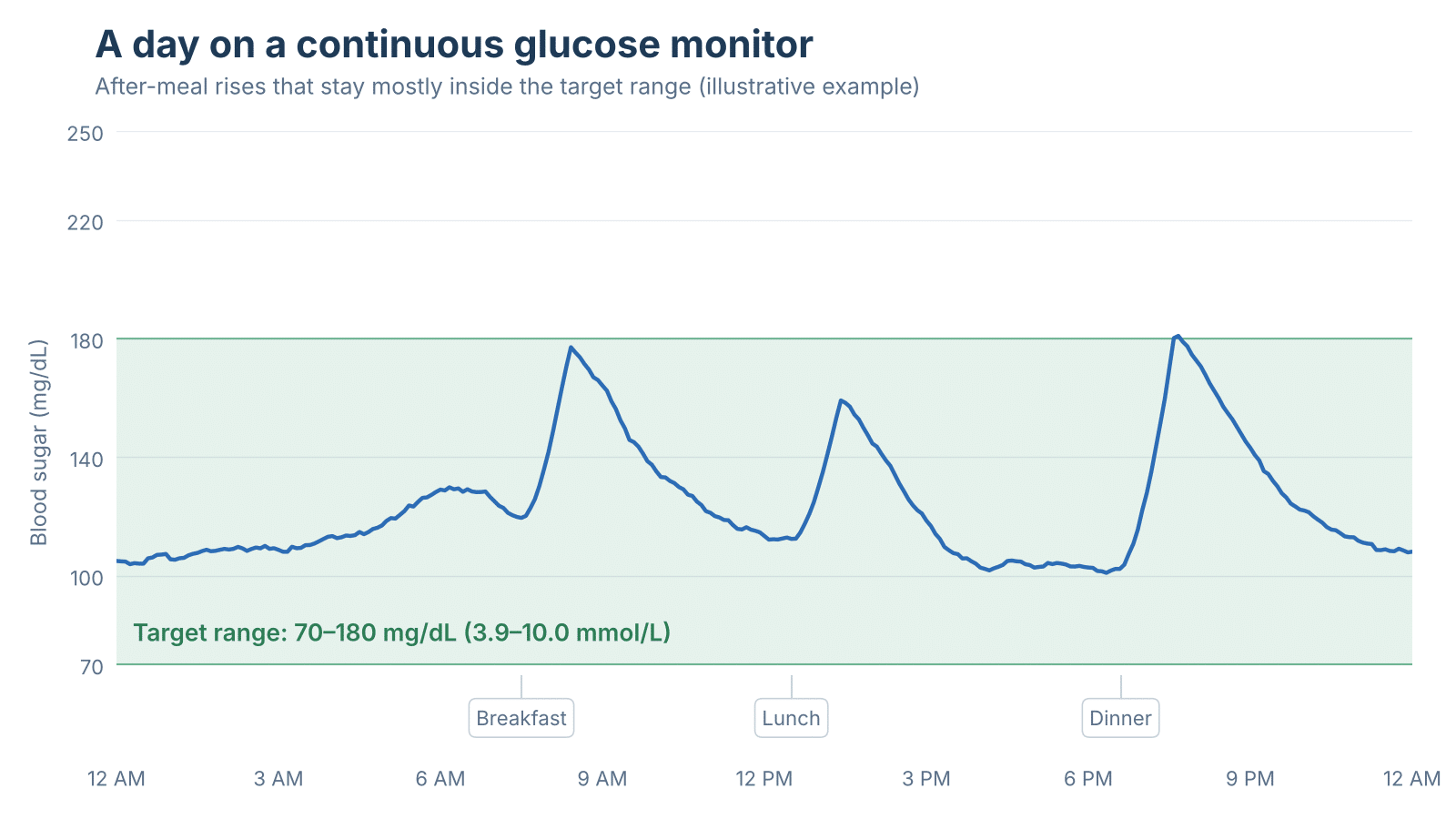
A continuous glucose monitor (CGM) is a small wearable sensor that checks your blood sugar every few minutes, so you can see how meals, activity, and medicines affect you day and night.
The 2026 ADA Standards now recommend CGM at diagnosis and anytime after for adults on insulin, on non-insulin medicines that can cause lows, or on any treatment where CGM helps (Recommendations 7.15 and 9.25). In the CONNECT trial (June 2026), adults with type 2 who didn’t use insulin improved A1c and time in range with CGM.
Over-the-counter CGMs need no prescription, but some, like Dexcom Stelo, have no low-glucose alerts and aren’t meant for people with problem lows—including some people taking sulfonylureas. Ask which device gives you the protection you need.
If you take several insulin shots a day, the Standards also recommend offering an automated insulin delivery (AID) system—a pump that adjusts insulin automatically from CGM readings—without requiring C-peptide or antibody tests first. A recommendation doesn’t guarantee insurance coverage, so check your plan.
What blood sugar targets should you aim for?
Your targets should be personalized, but for many adults with type 2 diabetes the ADA suggests:
| Measure | Common goal |
|---|---|
| A1c | Below 7% |
| Before meals | 80–130 mg/dL (4.4–7.2 mmol/L) |
| 1–2 hours after the start of a meal | Below 180 mg/dL (10.0 mmol/L) |
| Time in range (CGM) | More than 70% of the day at 70–180 mg/dL (3.9–10.0 mmol/L) |
| Time below range (CGM) | Less than 4% below 70 mg/dL (3.9 mmol/L), and less than 1% below 54 mg/dL (3.0 mmol/L) |
Your care team may set a less strict goal, such as an A1c below 8%, if you have frequent low blood sugar, serious health problems, or a heavy treatment burden—or a lower one if you can reach it without lows.
For context, if your pre-meal reading is 145 mg/dL (8.0 mmol/L) most mornings, that’s above the usual 80–130 mg/dL (4.4–7.2 mmol/L) range—worth sharing with your care team so your plan can be adjusted.
Can type 2 diabetes be reversed or put into remission?
Type 2 diabetes can’t be cured, but it can sometimes go into remission. Experts from the ADA, EASD, the Endocrine Society, and Diabetes UK define remission as an A1c below 6.5% that stays there for at least 3 months without any glucose-lowering medicine (consensus report, 2021).
- Structured low-calorie diet programs: In the U.K. DiRECT trial, 46% of people in a supervised program were in remission after 1 year and 36% after 2 years, most often those who lost 15 kg (about 33 pounds) or more. Remission may not last, though: at 5 years, about 13% of participants were in remission, and 26% of those in remission at 2 years still were.
- Metabolic (bariatric) surgery: Often leads to remission, especially soon after diagnosis.
- GLP-1 and GIP/GLP-1 medicines: Can bring A1c into the normal range. While you’re taking them, that’s excellent control—but it can’t count as remission, which is defined as being off medicine.
Don’t stop your diabetes medicines to test for remission without your care team’s guidance. Even in remission, keep up yearly eye, kidney, and foot checks.
Can type 2 diabetes be prevented or delayed?
Yes—especially if you catch it at the prediabetes stage. The landmark Diabetes Prevention Program (DPP) found that lifestyle changes reduced progression to type 2 diabetes by 58%, and metformin reduced it by 31%, compared with placebo. For people age 60 and older, lifestyle changes cut risk by 71%.
The goals were modest: lose 7% of body weight and get 150 minutes of activity a week. CDC-recognized National Diabetes Prevention Program classes are offered in person and online, and Medicare covers a version for eligible people. With prediabetes and obesity, weight-loss medicines are also an option.
When should you seek urgent care?
Most type 2 diabetes situations are handled in routine care, but very high and very low blood sugar can both become dangerous.
Very high blood sugar: get urgent or emergency help if you have diabetes symptoms plus:
- Confusion, severe weakness, fainting, or trouble staying awake
- Signs of severe dehydration (very dry mouth, dizziness, inability to keep fluids down)
- Rapid or deep breathing, vomiting, severe belly pain, or fruity-smelling breath—signs of diabetic ketoacidosis (DKA). DKA can occur in type 2, especially with SGLT2 inhibitors, sometimes even when blood sugar isn’t very high.
- Extreme thirst, frequent urination, and confusion—possible signs of hyperosmolar hyperglycemic state (HHS), which is more common in type 2. Blood sugar is often above 600 mg/dL (33.3 mmol/L). See high blood sugar.
Severe low blood sugar: call 911 if someone:
- Is confused, can’t be woken, or passes out
- Has a seizure
- Can’t swallow safely
Never give food or drink to someone who can’t swallow safely. Use glucagon (a nasal spray or injection that raises blood sugar fast) if available. The ADA recommends a glucagon prescription for everyone on insulin or at high risk for lows—and family or friends should know how to use it.
Treating a mild low
If you take insulin or a sulfonylurea, know the signs of a low: shakiness, sweating, a fast heartbeat, or hunger. If you’re awake and can swallow, treat a reading below 70 mg/dL (3.9 mmol/L) with 15 grams of fast-acting carbs, such as 4 ounces of juice, and recheck in 15 minutes. Below 54 mg/dL (3.0 mmol/L) is a serious low—tell your care team.
Helpful Resources & Research
- American Diabetes Association: Type 2 diabetes overview
- ADA Standards of Care in Diabetes—2026 (Diabetes Care, Vol. 49, Suppl. 1)
- ADA/EASD Consensus Report: Management of Type 2 Diabetes, 2026 (Diabetologia)
- CDC: National Diabetes Statistics Report
- CDC: About type 2 diabetes
- NIDDK: Type 2 diabetes
- NIDDK: Insulin resistance & prediabetes
- USPSTF: Screening for prediabetes and type 2 diabetes
- FDA: Notable approvals (Awiqli, Onswik)
- FDA: Approval of orforglipron (Foundayo)
- NEJM: Diabetes Prevention Program (DPP) results
- NEJM: Look AHEAD primary results
- DiRECT 5-year results (University of Glasgow)
Frequently Asked Questions About Type 2 Diabetes
What are the first signs of type 2 diabetes?
Common early signs are thirst, urinating more often, tiredness, and blurry vision. Many people have no symptoms at first, so a blood test is the most reliable way to find it.
What A1c level means you have diabetes?
An A1c of 6.5% or higher, confirmed by a second test, means diabetes; 5.7% to 6.4% is prediabetes. An A1c of 6.5% equals an average blood sugar of about 140 mg/dL (7.8 mmol/L). The A1c doesn’t show which type of diabetes you have.
Can you have type 2 diabetes and not be overweight?
Yes. Family history, age, and ethnicity matter a lot, and some people develop type 2 at a normal weight—especially Asian Americans, who often develop it at a lower BMI. That’s why the ADA recommends testing all adults from age 35.
Can type 2 diabetes go away?
It can’t be cured, but it can go into remission—an A1c below 6.5% for at least 3 months without diabetes medicine. Remission is most likely with major weight loss soon after diagnosis, but it doesn’t always last. Don’t stop medicines without your care team’s guidance.
What is the first medicine for type 2 diabetes?
Metformin has long been the usual first medicine. 2026 guidance also supports starting a GLP-1 medicine or SGLT2 inhibitor early, especially with heart or kidney disease or a need to lose weight.
Do I need a CGM if I have type 2 diabetes but don’t take insulin?
You may benefit from one: the 2026 ADA Standards recommend CGM whenever it helps manage diabetes. Some over-the-counter CGMs lack low alerts, so ask which is safe for you if your medicines can cause lows.
Is type 2 diabetes genetic?
Genes play a strong role—having a parent or sibling with type 2 diabetes raises your risk. Healthy habits can reduce your risk, even when diabetes runs in the family.
What is the difference between type 1 and type 2 diabetes?
In type 1, the immune system destroys insulin-producing cells, so insulin is needed from the start. Type 2 begins with insulin resistance, develops gradually, and is often managed first with lifestyle changes and non-insulin medicines.
This article is for educational purposes only and is not a substitute for professional medical advice. Talk with your doctor or diabetes care team before making changes to your treatment.
Last Updated on October 15, 2026