
O-Ring Leaks
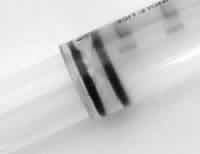
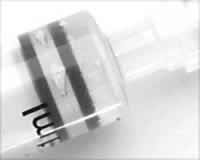
A good seal between the O-rings and the reservoir wall is essential to preventing insulin from leaking out the back! As can be seen, when this seal is lost, insulin leaks and blood sugars rise. The top picture originated during a new pump start as a health provider carefully filled the reservoir. The second reservoir was removed from a patient’s pump who was experiencing high blood sugars due to insulin loss. No warning except highs!
Cause
When reservoirs sit in warehouses and pharmacies, the lubricant needed for tight seating of the O-rings pools at the bottom of the reservoir.
Solution
- Lubricate the pump barrel before filling it. Move the plunger in a new reservoir by pushing it fully into the reservoir, turning the plunger inside the barrel twice to coat the O-rings with lubricant, and pulling the plunger to the back of the reservoir. Repeat this procedure a second time before finally pulling the plunger to the back of the reservoir in order to place air into the insulin bottle.
- Do not squeeze the wall of the reservoir, but hold the reservoir at the hub when tightening, etc.
- Use care in handling the reservoir, especially while inserting it into the pump.
Last Updated on December 19, 2019
Contents
hide